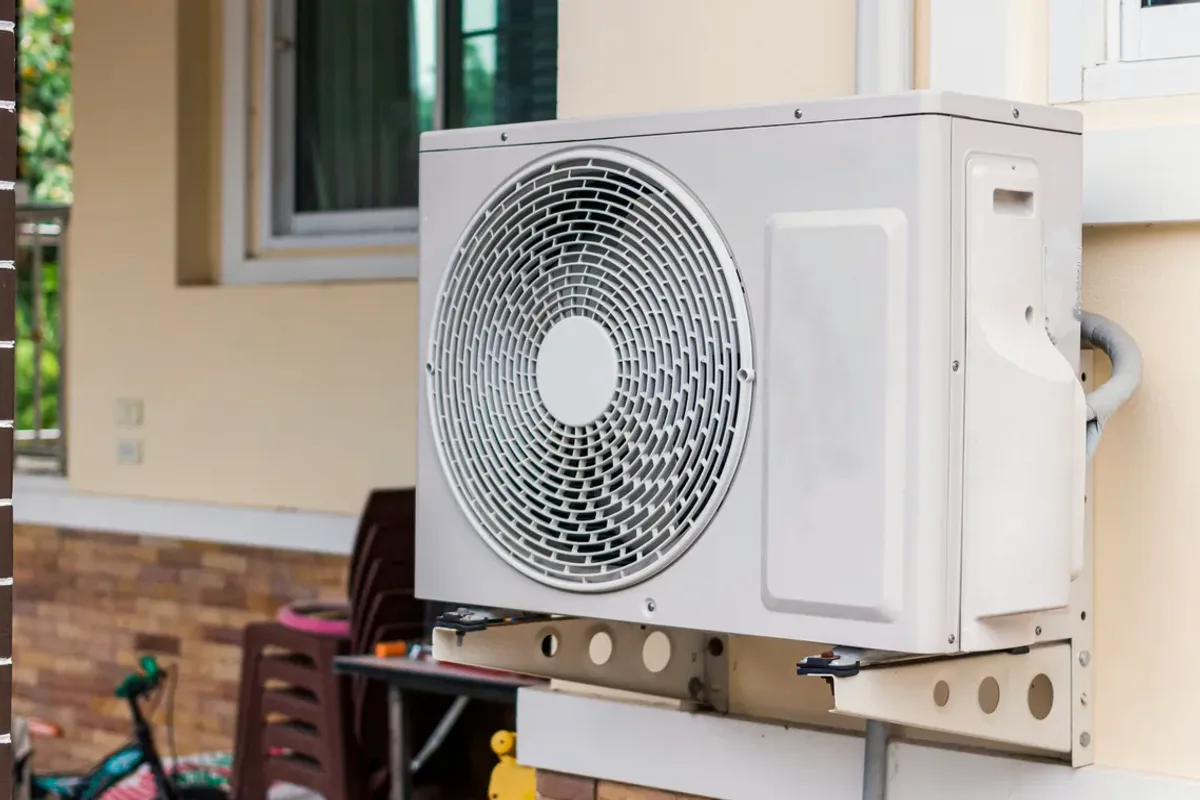
Request heat pump repair & installation for a property in Windsor. Include the equipment, the problem or planned work, and your location so the request can be reviewed.
Is the heat pump failing in heating, cooling, or both, and what type of system is installed?
Heat-pump work may involve repairing an existing system or planning a replacement, and those are separate decisions. Air-to-air, cold-climate, and ductless configurations differ in their controls, distribution, and connected equipment. Describe whether the concern is heating, cooling, unusual operation, or a system that no longer suits the property. The model and system layout help identify the relevant inspection and, if replacement is being considered, the equipment and controls that must be matched.
Assessment identifies the heat-pump type, operating mode, controls, and reported symptoms before defining repair or installation scope. A heating fault may not have the same cause as a cooling fault, and ductless units differ from air-to-air systems. If replacement is under consideration, inspection of connected distribution and controls matters for compatibility. A compressor failure or another major fault can change the comparison, but does not alone determine the decision.
Air-to-air, cold-climate, and ductless system distinctions
Heating and cooling fault diagnosis and inspection findings
Repair decisions versus compatible replacement installation
Assessment and Scope
Questions for the Proposed Work
01
Identify the system before diagnosing operation
Air-to-air and cold-climate heat pumps use different equipment configurations, while ductless mini-splits distribute heating and cooling through indoor heads. The system type, model, and whether the fault occurs in heating or cooling help direct diagnosis. Note unusual sounds, changes in operation, and any displayed fault indication. These details are useful because a symptom can arise from controls, airflow, or a component, and the appropriate checks depend on the installed design.
02
Treat seasonal checks as inspection, not a fixed treatment
A change between heating and cooling modes can reveal issues with controls, airflow, or system operation. Inspection findings and manufacturer instructions determine whether maintenance is appropriate and what it includes. A seasonal visit is not a reason for automatic flushing or chemical treatment. If a specific fault is found, documenting its effect and cause helps separate maintenance needs from a repair that should be addressed on its own.
03
Compare repair and replacement separately
For a repair decision, consider the diagnosed component, system condition, and repair history. Compressor damage can make replacement worth comparing, particularly when the unit is also in poor condition, but other faults may support repair. Installation planning requires a separate review of the existing distribution, controls, and proposed system compatibility. The model and configuration records make that comparison more useful than a general recommendation based only on the system's age.
Compare the next step
Ask how the projected operating costs divide duty between the heat pump and supplementary heat. Compare those assumptions with actual fuel and electricity use and planned envelope changes. Require the selected equipment and control strategy to be identified rather than interpret a high efficiency rating as a household savings promise.
Cold-climate capability does not prove that one model covers every home heating load. Ask how the selected equipment and supplementary heat meet the actual design requirements.